
KNOWLEDGE CENTRE · ARTICLE
What Does Multi-Strain Probiotic Mean?
Gut microbiota includes many microorganism species. Multi-strain probiotics combine strains to approach the ecosystem through more than one bacterium. Lactobacillus and Bifidobacterium groups' differing properties are a useful example of this diversity.
Vitallin Enteromax Capsules contain 12 different probiotic strains. Diversity is assessed alongside identity, live count, prebiotic inulin and format technology. Considering the formula as a whole is central to Enteromax.
The short answer
A multi-strain probiotic is a formula containing two or more identified probiotic strains.
Combining strains aims to bring together complementary biological properties. Scientific value is strengthened by identity, amount, combination rationale and combination-specific research.
Studies of different multi-strain products explain the scientific background and why these formulations are investigated.
Why are multiple strains combined?
Strains can differ biologically.
Some may:
- persist temporarily in the gut,
- metabolise different carbohydrates,
- interact differently with the microbial community,
- show different barrier- or metabolite-related mechanisms.
Combining strains may therefore theoretically target complementary biological properties.
This rationale is a scientific starting point for investigating clinical synergy.
What does synergy mean?
Synergy means a combined effect different from or stronger than the sum of individual effects.
The word “synergy” can be overused in probiotics.
The strongest assessment studies strains together, evaluates the combination itself and demonstrates its contribution to the relevant outcome.
Synergy is therefore assessed alongside count, identity, amount, combination rationale and clinical data.
How are single- and multi-strain approaches assessed?
Single-strain formulas emphasise one microorganism's properties. Multi-strain formulas combine strains in one serving for a holistic microbiota approach.
Enteromax Capsules use a multi-strain strategy with 12 identified strains. Identity, amount and rationale together clarify the formula.
What do we learn from multi-strain research?
Different multi-strain formulas have been studied in humans for gastrointestinal tolerance, microbiota and other outcomes.
Ford and colleagues' 2020 study assessed a five-strain formula, inulin and combined interventions in older women following a high-protein diet.[1]
This shows the multi-strain approach can be scientifically investigated.
The study strengthens the background of human multi-strain research. Enteromax applies this strategy through its own 12-strain composition and distinct formulation.
Does strain count or total CFU matter?
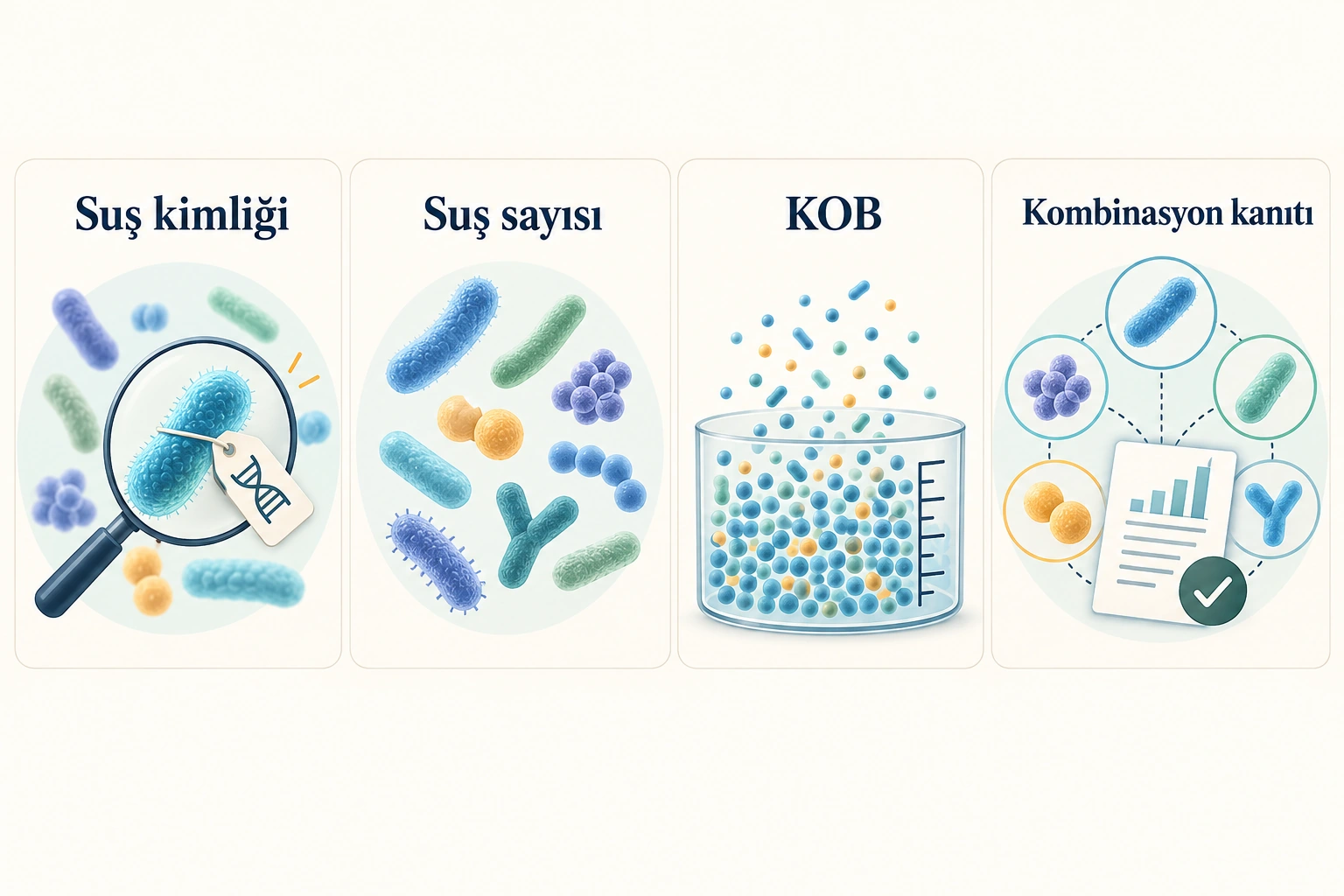
Identity and live count together make the formula's scientific profile more meaningful.
A product may be designed as:
- 1 strain + high CFU,
- 10 strains + lower total CFU,
- multiple strains in different proportions
These numbers gain clinical meaning only alongside strain identity and evidence.
Rather than seeking the highest number, consumers can consider:
Identity + amount + evidence + formulation
as four linked criteria.
Can several strains of one species be meaningful?
Yes; strains of the same species may have different properties.
Their value depends on properties, amounts and combination rationale together.
Each strain's identity and reason for inclusion should be assessed.
How should Enteromax's 12-strain approach be understood?
Enteromax Capsules combine 12 identified probiotic strains in a multi-strain formula. Current labels clearly identify strains and amounts.
The scientific foundation combines same-strain human studies, same-species clinical studies, mechanistic/preclinical data and combination research. These complementary sources explain each strain's history and the holistic 12-strain approach.
What can be checked in multi-strain probiotics?
- Are full strain names and codes provided?
- Is total CFU clear?
- Are viability and storage conditions stated?
- Are scientific data available for the strains?
- Does evidence concern the same strain or only the same species?
- Has the combination itself been studied?
- Are there accompanying ingredients such as prebiotics?
- Does the format aim to preserve microorganism viability?
Conclusion
In summary: Quality is understood by assessing identity, amount, combination rationale and evidence together.
What this means in daily life: Assess strain identity, total CFU, storage and formula-specific evidence together on the label.
What research shows: Research outcomes are assessed in relation to strains, amounts and the combination itself.
Explore more: For the distinction between multi-strain and synbiotic, read What Is the Difference Between Probiotics and Prebiotics?
Frequently Asked Questions
What is a multi-strain probiotic?
A formula containing multiple identified probiotic strains.
What are its main features?
It combines microorganism properties. Identity, amount and combination rationale explain the formula's approach.
Do multiple strains support one another?
Complementary or synergistic interactions have been studied in some combinations. Combination-specific data show under which conditions and outcomes they are meaningful.
How is a 12-strain formula's value assessed?
Count shows diversity; scientific value comes from identity, live amount, formulation rationale and research history together.
Are multi-strain and synbiotic the same?
They are different formulation concepts. Multi-strain means multiple probiotic strains; a synbiotic is a health-beneficial mixture of live microorganisms and selectively used substrates.
Related Vitallin product
Enteromax Capsules is Vitallin's multi-strain probiotic formula.
Information Note
This content is for general information and educational purposes. It is not a substitute for medical advice, diagnosis or treatment. Consult your physician or the relevant healthcare professional for an assessment of your personal health.
This content is for general information and education.
References
- Ford AL, Nagulesapillai V, Piano A, et al. Microbiota Stability and Gastrointestinal Tolerance in Response to a High-Protein Diet with and without a Prebiotic, Probiotic, and Synbiotic. Journal of the Academy of Nutrition and Dietetics. 2020;120(4):500-516.e10. DOI: 10.1016/j.jand.2019.12.009.
- Hill C, Guarner F, Reid G, et al. ISAPP consensus statement on the scope and appropriate use of the term probiotic. Nature Reviews Gastroenterology & Hepatology. 2014;11:506-514. DOI: 10.1038/nrgastro.2014.66.